NW3 Flat Removals Guide: Parking Permits and Camden Council Made Simple
If you are planning a flat move in NW3, the parking side of the job can catch you out faster than the packing side. One minute you are focused on boxes, lift access and fragile crockery; the next, you are wondering whether the van can stop outside the building, whether a bay suspension is needed, and what Camden Council expects on moving day. This guide on NW3 flat removals guide parking permits Camden Council walks you through the practical stuff that actually matters, so you can avoid last-minute stress, fines, and those awkward "where exactly can the driver park?" conversations that seem to appear at the worst possible moment.
Flat removals are often trickier than house moves because space is tighter, streets are busier, and loading access can be limited. In areas like NW3, a small planning mistake can turn a well-organised move into a slow shuffle of bags, boxes, and frustration. The good news? With the right preparation, you can make the process far smoother. Below, you will find a clear breakdown of how parking permits work in practice, what to check before move day, and how to coordinate your removal team, building access, and council requirements without overcomplicating it.
Expert summary: The move usually goes well when three things line up: the vehicle can legally stop, the team knows the access route, and the booking details are confirmed early enough for Camden-related parking arrangements to be sorted calmly.
Why NW3 flat removals guide parking permits Camden Council Matters
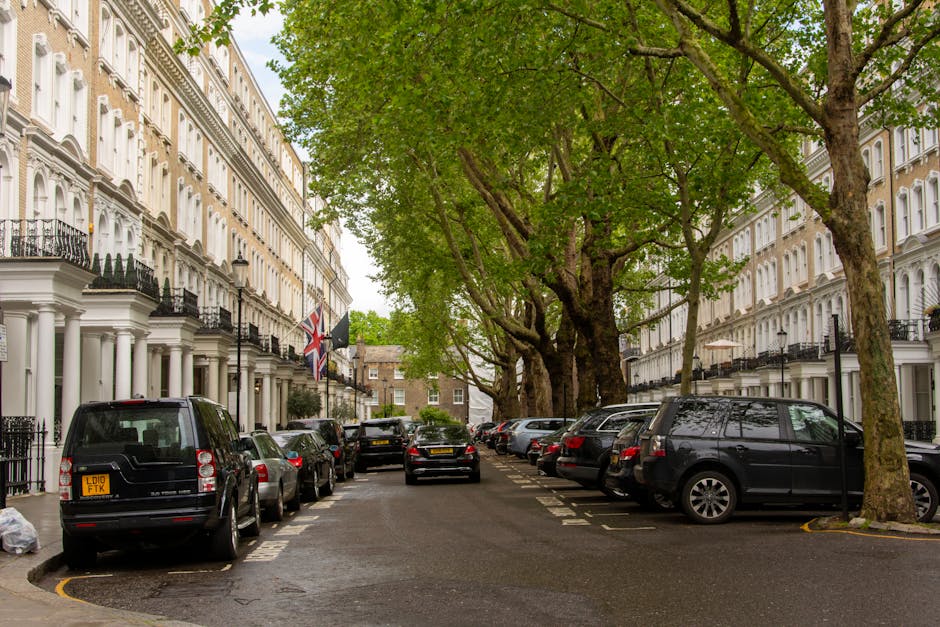
Let's face it: a removal van that cannot park legally or safely changes the whole tone of the day. In NW3, many properties sit on narrow residential roads, shared bays, controlled parking zones, or streets where loading is limited. Even if your flat is just a short walk from the kerb, that short walk can become a long one when the van ends up a few streets away. Not ideal when you are carrying a sofa down two flights of stairs.
The topic matters because parking is not a side issue; it is part of the move itself. A good flat removal plan in this part of London needs to account for vehicle size, bay availability, timing, building access, and the possibility that the street looks clear now but not later in the day. Camden Council parking rules can also affect whether a vehicle can stop for loading or unloading, so the move has to be organised around reality, not just intention.
There is also a stress angle. People often assume the removals team will "sort the parking." Sometimes they can help advise on it, but the responsibility for permits, bays, and local restrictions usually needs to be clarified well before moving day. If you leave that discussion until the morning of the move, you are already behind.
If you want broader help planning the move itself, it can be useful to look at home moves and removal services as part of your overall preparation. Those pages can help you think about the full moving process, not just the parking side.
How NW3 flat removals guide parking permits Camden Council Works
At a practical level, the process is straightforward, even if the paperwork can feel a bit fiddly. You identify the moving vehicle, check the street conditions around your flat, and work out whether a permit, bay booking, suspension, or some other parking arrangement is needed. The exact route depends on the street, the time of day, and the kind of access available outside your building.
For many flat moves, the key question is not "Can a van stop here for a minute?" but "Can it stop here long enough to load properly without causing an issue?" That distinction matters. A quick stop might be tolerated in some situations, but moving furniture, loading boxes, and managing lift delays often takes longer than expected. That is why early planning is worth it.
A typical Camden-area flat removal plan will consider:
- the parking restrictions on your street
- whether the van needs to be close to the entrance
- the time window available for loading and unloading
- the size of the removal vehicle
- the route from the van to the front door or lift
- building rules on service access, lifts, and moving hours
Some moves are simple. Others are not. A basement flat on a tight road with no lift is a different beast from a first-floor flat with a courtyard and loading area. You will usually make life easier by treating the parking plan as part of the quote discussion, not something to sort later. If you are comparing providers, the page on pricing and quotes is a sensible place to begin understanding what is included and what may need separate planning.
Key Benefits and Practical Advantages
Getting the parking side right brings a few immediate benefits, and they are not small ones.
- Less time wasted on move day. The van parks closer to the property, so the team spends more time moving items and less time improvising.
- Lower risk of fines or enforcement issues. That is obvious, but it is still one of the biggest reasons to plan carefully.
- Better protection for furniture. Shorter carrying distances usually mean fewer bumps, fewer drops, and less strain on the team.
- Less pressure on neighbours and building managers. People tend to notice a poorly parked van very quickly. Calm planning helps keep everyone happier.
- Cleaner coordination with lifts and access times. This matters more than people think, especially in flats where lift access is shared or restricted.
There is another benefit that gets overlooked: emotional breathing space. When you know the parking is sorted, the move feels more manageable. The day still has plenty of work in it, of course, but one major unknown disappears. And honestly, that makes a difference.
For bulky items, awkward furniture, or mixed loads, it can also help to use a service that is used to tight urban access. A man and van setup can suit smaller flat moves, while larger homes or heavier loads may call for house removals or a bigger moving van.
Who This Is For and When It Makes Sense
This guide is for anyone moving out of, or into, a flat in NW3 where parking is not straightforward. That includes tenants leaving rented apartments, leaseholders moving between homes, students downsizing, and families who are moving after a long stretch in one place. It also applies if you are helping a relative move and you suddenly realise the van will need to stop on a narrow street. That is usually the moment the coffee goes cold.
It makes particular sense if any of the following apply:
- your building is on a restricted or busy street
- the removals van needs to park close to the entrance
- you are using a loading bay or shared parking area
- your building has tight time slots for access
- you live on an upper floor without easy lift access
- you are moving at the end of the month, when bays and roads are busiest
It is also relevant for smaller commercial moves where staff are relocating from a flat-style office conversion or mixed-use building. In that case, a service such as commercial moves may be more appropriate than a standard domestic booking.
If you have a lot to pack, or you are juggling work, childcare, and keys all at once, a fuller support package can help. The page on packing and unpacking services is worth a look if you want to reduce the time spent wrestling tape and boxes the night before.
Step-by-Step Guidance
Here is a simple way to approach the move without drowning in detail.
- Check the street and building access first. Look at the road outside your flat, the width of the pavement, the nearest legal stopping points, and whether there is room for a van to wait without causing trouble.
- Ask about any building rules. Some flats have specific moving hours, lift booking requirements, or instructions for contractors. These details can affect what time the van should arrive.
- Confirm the vehicle size. A small van, a medium van, and a larger removal truck all behave differently on narrow NW3 roads. A vehicle that sounds convenient on paper may be a hassle in practice.
- Clarify parking arrangements early. If a permit or council-related parking arrangement is needed, do not leave it to the last day. This is where people trip up most often.
- Build in slack time. Give yourself a buffer. Traffic, lift delays, and awkward furniture all eat time. Always.
- Prepare the route from the flat to the van. Check for stairs, low ceilings, narrow hallways, and anything fragile or awkward. One small obstacle can slow everything down.
- Keep documents and contacts handy. Move details, access codes, inventory notes, and any parking confirmation should be easy to grab on the day.
- Do a final walk-through. Before the van leaves, check cupboards, storage spaces, and awkward corners. You would be surprised how often a charger or small box is left behind.
If you are not sure what size of team or vehicle you need, the pages on movers and removal company can help you think through the practical options before you commit.
Expert Tips for Better Results
After enough flat moves, a few patterns become obvious.
First, time your move with the street in mind. In London, the difference between an early morning slot and a late morning slot can be huge. A street that is relatively calm at 7:30 a.m. may be packed by 9:00 a.m. That can affect parking, access, and how smoothly the team can work.
Second, think in terms of carrying distance. A van parked one bay closer can save a surprising amount of effort. That is especially true for flats with stairs, heavy furniture, or lots of smaller boxes. It sounds minor until you are on your sixth trip up and down.
Third, communicate the awkward bits. If the sofa is too large for the lift, say so. If the road is one-way. If the neighbour's car blocks part of the bay most evenings. If the entrance buzzers are unreliable. Small details are not small on move day.
Fourth, choose support that matches the job. For light loads, a flexible man with van arrangement may be enough. For heavier or higher-volume moves, a more complete removal services package can be the calmer choice.
Fifth, keep building neighbours in mind. A polite note in the lobby or a quick heads-up can avoid friction. People are usually more forgiving when they know what is happening and for how long.
And one slightly unglamorous tip: keep a roll of tape, a marker pen, and a bottle of water close by. Not glamorous, no, but incredibly useful when the day gets busy and everyone is a bit sweaty and tired.
Common Mistakes to Avoid
The mistakes are usually predictable, which is annoying, because they are also easy to avoid.
- Assuming parking will be fine on the day. It might be, but "might" is not a plan.
- Forgetting that loading takes time. A quick stop is rarely enough for a real flat removal.
- Using the wrong vehicle size. A vehicle that is too large can be harder to position; one that is too small can mean multiple trips.
- Not checking building access rules. Lift bookings and move-in windows can be more restrictive than expected.
- Leaving permit-related decisions until the morning of the move. That is when costs and stress start to creep in.
- Underestimating the road layout. Corners, parked cars, and tight turning spaces can be a bigger issue than the actual parking bay.
Another common error is focusing only on the van and forgetting the rest of the move. If your items are not packed and labelled properly, parking becomes just one more pressure point. In that situation, a combined approach with home moves support and sensible packing can save a lot of time.
Truth be told, many move-day problems come from one thing: assumptions. The road will be clear. The lift will be free. The van will be able to stop here. It all feels fine until it isn't.
Tools, Resources and Recommendations
You do not need a massive toolkit for this, but a few basics help enormously.
- Measurement notes. Keep rough measurements of key furniture pieces and doorways.
- Building access details. Buzz codes, concierge contacts, lift timings, and key collection notes.
- Move-day checklist. A simple paper list is often better than burying things in your phone.
- Labels and markers. So each box goes where it should and not into the wrong room.
- Parking confirmation details. If there is any approved parking arrangement, keep the reference close to hand.
On the service side, it helps to know whether you need a smaller vehicle, a larger team, or specialised handling. A removals van can work nicely for compact flat moves, while moving truck solutions are better suited to bigger, more complex loads.
If you are still comparing providers, it is sensible to look at removals near me for a localised service option and review the company's approach to insurance and safety so you understand how belongings are handled during the move.
Law, Compliance, Standards, or Best Practice
Parking around flats in Camden is not just a logistics issue; it is a compliance issue too. You generally need to follow the parking restrictions that apply to the street, and that may include controlled zones, loading limits, permit rules, or temporary suspension arrangements depending on the location and circumstances.
Because rules can vary by street and change over time, it is best practice to verify the current requirements before move day rather than relying on memory, a neighbour's advice, or a vague assumption from last year. In practical terms, that means checking the parking situation early, confirming what your removal team expects, and making sure the vehicle is not put in a position where it risks enforcement action.
For removals, best practice also includes:
- keeping access arrangements documented
- making sure the vehicle chosen suits the street
- allowing enough time for loading and unloading
- sharing any local restrictions with the moving team early
- respecting communal areas, entrances, and shared bays
There is no prize for forcing the move to happen in the least practical way. The aim is a clean, legal, safe move with the fewest disruptions possible. If you are booking a team, it can also be worth checking the company's terms and conditions so expectations around access, timing, and responsibilities are clear.
Options, Methods, or Comparison Table
Different flats need different moving setups. Here is a simple comparison to help you think through the practical trade-offs.
| Option | Best for | Advantages | Watch-outs |
|---|---|---|---|
| Small van | Light flat moves, a few rooms, limited access | Easy to position, often better for narrow streets | May require more trips if the load is larger than expected |
| Medium removals van | Typical one- or two-bedroom flat moves | Good balance of capacity and flexibility | Can still be awkward if parking space is tight |
| Larger moving truck | Bigger flats, fuller loads, multiple bulky items | Fewer trips, more carrying capacity | Harder to manoeuvre and may need more careful parking planning |
| Man and van | Smaller moves, flexible timing, simpler access | Cost-effective and adaptable | Not always ideal for heavy or high-volume furniture |
| Full removals team | Complex moves, stairs, lots of furniture, tighter deadlines | More hands, faster loading, less strain on you | May cost more, but the convenience is usually the point |
If you are unsure which route suits you, think about the real move, not the idealised version. A flat with awkward stairs, a piano, or a narrow entrance is not the same as a simple studio clear-out. No point pretending otherwise.
Case Study or Real-World Example
Imagine a two-bedroom flat in NW3 on a fairly busy residential road. The occupant has a sofa, a dining table, several medium boxes, and a couple of delicate lamps. The lift is small, the front entrance is shared, and there is limited room outside for stopping. On paper, it looks manageable. In real life, it becomes much easier if the parking arrangement is planned carefully.
In that kind of move, the team might choose a vehicle that can park more neatly in the available space, arrive at a time when the street is quieter, and start with the larger items while access is still clear. The resident might also move small personal items the day before, leaving only the main furniture and boxes for the van. That single decision can shave a surprising amount of time off the day.
What tends to make the difference? Clear communication. The resident explains the access, the removal team confirms the vehicle size, and everybody knows the likely bottleneck before the first box is touched. The whole day feels calmer. Still busy, still a bit chaotic, but under control.
For moves like this, local expertise matters. A provider that understands urban flat removals, such as a removal company familiar with NW3 streets, is often better placed to advise on parking realities than a generic one-size-fits-all booking.
Practical Checklist
Use this checklist a day or two before the move.
- Confirm your move date and time window.
- Check whether the street has parking restrictions or loading limits.
- Decide which vehicle size is likely to be needed.
- Verify lift access, keys, buzz codes, and building rules.
- Measure large furniture and doorways if there is any doubt.
- Share access details with the removals team.
- Set aside essentials you want to keep with you.
- Label boxes by room and priority.
- Keep phone numbers and key documents ready.
- Plan a backup option if the street is busier than expected.
If you are moving with a fuller household load, the page on house movers may help you think about a more complete approach. And if you need to understand how the company treats personal information or payment details during booking, you can also review privacy policy and payment and security.
Conclusion
Flat removals in NW3 are rarely difficult because of one huge problem. They are difficult because of lots of small ones at once: parking, access, timing, stairs, neighbours, traffic, and the strange way a move can feel bigger at 8:00 a.m. than it did the night before. The smartest way through it is to treat parking and permit planning as a core part of the move, not an afterthought.
When you prepare early, check the street properly, and choose the right vehicle and support, the whole day gets lighter. Less scrambling. Less guesswork. Fewer surprises. And that is usually what people want most, even if they do not say it out loud.
Get a free quote today and see how much you can save.
If you would like a team that understands the realities of flat removals, tight roads, and proper planning, start with a friendly conversation and build from there. A calm move is still possible, even in London. Especially in London, maybe.
Frequently Asked Questions
Do I need a parking permit for a flat removal in NW3?
It depends on the street, the time of day, and whether there are local parking restrictions or loading limits. In many NW3 locations, it is wise to check before the move rather than assuming you can stop outside without an issue.
Who is responsible for sorting parking for the removal van?
That should be clarified at the booking stage. Sometimes the removals provider can advise, but you should not assume parking will magically work itself out. It is better when both sides know who is doing what.
How early should I arrange parking for a Camden flat move?
As early as possible. The moment you have a move date, start checking access and parking requirements. Waiting until the day before is a recipe for avoidable stress.
Can a small van park more easily than a larger removals truck?
Usually, yes. Smaller vehicles are often easier to position on narrow streets. That said, if you have a larger load, you may save time overall by using a bigger vehicle and planning the parking more carefully.
What if my flat is on a busy street with little space to stop?
Then you need to think carefully about timing, vehicle size, and access route. Early morning slots, a smaller van, or more hands on the job can make a big difference.
Will a man and van service be enough for my NW3 flat move?
Sometimes. If you are moving from a small flat with limited furniture, a man and van setup can be a practical choice. For larger or more complex moves, a fuller removals service may suit you better.
What should I tell the removals company before move day?
Share everything relevant: parking restrictions, building access, lift details, stairs, large furniture, and any awkward entry points. The small details are often the ones that slow the move down if they are missed.
What happens if the van cannot park near my flat?
The team may need to carry items further, which adds time and effort. In some cases, the move can still go ahead smoothly; in others, it becomes much more tiring and less efficient. That is why parking planning matters so much.
Are there special considerations for upper-floor flats without lifts?
Yes. Carrying distance, team size, and time allowances become more important. If you are on a higher floor, a well-chosen parking spot can save a surprising amount of energy.
Is it worth paying more for a better-planned removal service?
Often, yes. If a slightly more organised setup reduces the risk of delays, parking issues, and heavy carrying, the extra cost can be easier to justify than people expect. Convenience is not just a nice-to-have on moving day.
What is the safest way to avoid last-minute problems?
Confirm the access details, check parking restrictions early, choose the right vehicle, and keep everyone informed. Honestly, that covers most of the trouble before it starts.
Where can I learn more about the company's approach to moves and support?
You can explore the company's about us page, review health and safety policy, and if you still have questions, use the contact us page to get in touch directly.